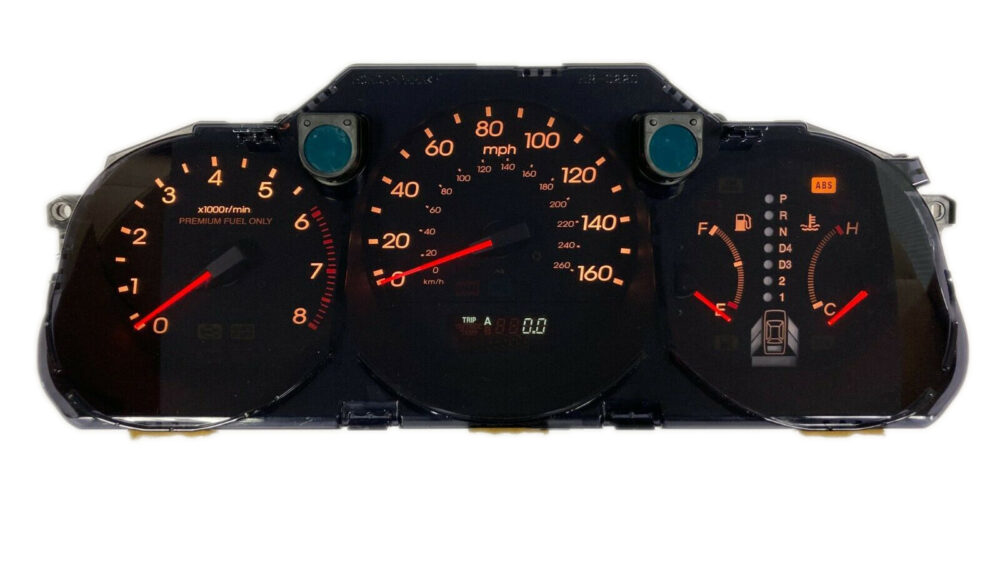
Expert Airbag Module Reset & Repair Services

Expert Airbag Module Reset & Repair Services

Has your vehicle been in an accident, or is your airbag/SRS light on without reason? Your airbag control module may need to be reset or repaired. At Module Mechanics, we specialize in airbag module reset and repair, including complete crash data removal. We provide quick, reliable, and plug-and-play solutions — no dealer visit or expensive replacement required.


Why Choose Module Mechanics for Airbag Module Repair?

We use advanced diagnostic tools and industry-standard techniques to restore airbag modules to their original condition. Here’s why drivers and shops choose us:

All Makes & Models Supported — Fixes for domestic and import vehicles.

Crash Data Removal — We clear hard and soft codes to bring modules back to factory settings.

Plug-and-Play Service — No reprogramming needed after reinstallation; ready out of the box.

Fast Turnaround — Receive your repaired module within 1–3 business days.

Free US Shipping — Affordable nationwide coverage.

All Makes & Models Supported — Fixes for domestic and import vehicles.


Common Airbag Module Issues We Fix

Internal control module faults

Airbag or SRS light on

Crash data stored after accident

Communication errors with OBD

Faulty seat or impact sensors


How Our Airbag Module Reset Service Works

  1. Order the Reset Service
    Select your vehicle type and place your order securely.
  2. Send Us Your Module
    Remove and ship your airbag control module to our Colorado facility.
  3. We Reset & Test It
    Our team clears crash data, resets faults, and tests functionality.
  4. Plug & Play Installation
    Reinstall the module — no additional programming required.

Supported Brands

  • GM (Chevrolet, GMC, Cadillac)
  • Ford and Lincoln
  • Toyota and Lexus
  • Honda and Acura
  • Chrysler, Jeep, Dodge
  • BMW, Mercedes, Audi, VW
  • And more…

Don’t see your vehicle? Contact us — we handle hundreds of models.


Customer Testimonials

“My airbag light was on after a minor accident. Instead of replacing the module, Module Mechanics reset it perfectly — saved me hundreds!”
— Mark S., North Carolina

“Plug-and-play just like they promised. No extra coding or dealer hassle. Highly recommend!”
— Dana W., Michigan


Order Your Airbag Module Reset Today

Don’t let a crash event or faulty module keep you off the road. Trust the experts at Module Mechanics for a hassle-free solution that restores your vehicle’s safety system — fast and affordably.

Contact Us

Whether you’re a repair professional or a vehicle owner needing a reset, we’re here to help. If you have questions about compatibility or crash data removal, send us a message — we’ll get back to you quickly.

Expert Instrument Cluster Repair Services

Expert Instrument Cluster Repair Services

Is your vehicle’s instrument cluster malfunctioning? Whether you’re facing flickering gauges, dim display lights, inaccurate readings, or a complete cluster failure, Module Mechanics is here to help. We specialize in fast, reliable instrument cluster repair services for cars and trucks, with a hassle-free plug-and-play experience.


Why Choose Module Mechanics for Instrument Cluster Repair?

At Module Mechanics, we combine years of automotive electronic expertise with the latest testing and repair technologies. Here’s what sets us apart:

  • Expert Repairs and Programming — We diagnose and fix instrument cluster issues accurately.
  • Plug-and-Play Solutions — No programming needed on your end; we deliver ready-to-install modules.
  • Fast Turnaround Time — Repair and return typically within 1–3 business days.
  • Free US Shipping — Nationwide coverage with no hidden fees.
  • All Makes & Models Covered — Instrument clusters for domestic and foreign vehicles.

Common Instrument Cluster Problems We Fix

  • Dead or flickering gauges
  • Dark or dim LED lighting
  • Faulty speedometer or tachometer
  • Incorrect fuel or temperature readings
  • Total cluster failure
  • Memory or communication errors

How It Works

Order Your Repair
Purchase the instrument cluster repair service for your vehicle’s model.

Ship Your Module
Safely package your cluster and ship it to our facility in Littleton, CO.

We Repair & Test
Our technicians repair, test, and reprogram your cluster for accuracy.

Plug & Play Installation
You get your fully functional module back — no need for dealer programming.

Our Instrument Cluster Repair Service Covers:

  • GM Vehicles (Chevy, GMC, Cadillac)
  • Ford and Lincoln
  • Dodge, Jeep, Ram
  • Toyota, Honda, Nissan
  • European Models (BMW, Mercedes, VW, Audi)
  • And many more…

Don’t see your make? Contact us directly — we likely support your vehicle too.


Customer Testimonials

“My Tahoe’s instrument cluster went dark — these guys fixed it fast and it works better than ever.”
— Tim H., Texas

“Easy plug-and-play repair for my Ford F-150. Saved me hundreds over dealer pricing!”
— Sarah P., Florida

Order Your Cluster Repair Today

Avoid costly replacements and get back on the road with confidence. Trust the experts at Module Mechanics for fast, affordable, and reliable instrument cluster repair services.

Contact Us

Have questions about your instrument cluster or need help placing an order? Our experts are here to assist you every step of the way. Whether you’re looking for a specific repair solution or want to confirm compatibility with your vehicle, we’re just a message away. Reach out today and get your cluster running like new!

Expert ABS Module Repair Services

Expert ABS Module Repair Services

Your car’s Anti-lock Braking System (ABS) is one of the most important safety features on the road. It prevents your wheels from locking up during hard braking, giving you full control and stability. When the ABS light turns on or your brakes start acting unpredictably, the issue often lies in a faulty control unit. That’s where ABS module repair comes in.


What Is an ABS Module?

The ABS module is an electronic component that monitors wheel speed sensors and adjusts brake pressure to prevent skidding. It communicates constantly with other control units such as the ECM and PCM. When it fails, the system can no longer modulate braking correctly—compromising your safety.


Common Signs of ABS Module Failure

If you notice one or more of the following symptoms, it’s time to consider ABS module repair:

  • ABS or traction control warning light illuminated
  • Unresponsive or intermittent brake pedal feedback
  • Brakes locking up on slippery surfaces
  • Loss of communication with diagnostic tools
  • Error codes such as C0265, C0131, or C0110

A malfunctioning ABS unit doesn’t just affect braking—it can also interfere with traction control and stability assistance systems.


Why Choose Repair Over Replacement?

Replacing the entire module can be costly and unnecessary. At Module Mechanics, we offer expert ABS module repair that restores full function without replacing the whole system. Every module is tested, re-soldered where needed, reprogrammed to OEM specifications, and guaranteed to work before it leaves our facility.

Our process includes:

  • Advanced diagnostics to identify internal faults
  • Component-level repair and resoldering
  • Reprogramming and calibration
  • Bench testing under real-world conditions
  • Plug-and-play readiness for fast installation

Benefits of Professional ABS Module Repair

  • Clears persistent ABS warning lights
  • Restores factory-level braking precision
  • Saves 50–70% compared to dealer replacements
  • Extends the lifespan of your braking system
  • Reduces downtime with fast turnaround service

Whether you drive a domestic or imported vehicle, our technicians handle all major ABS module brands and models

A faulty ABS module compromises your ability to brake safely—something no driver should risk. Instead of spending thousands at the dealership, choose ABS module repair from Module Mechanics and get back on the road with confidence.

Contact us today to schedule your repair service and experience safer, smoother driving again.

Professional ECM Reprogramming Services

Professional ECM Reprogramming Services

PCM Programming for Transmission Issues – Restore Smooth Shifting and Performance

Modern vehicles rely heavily on their Powertrain Control Module (PCM) to coordinate how the engine and transmission work together. When transmission problems arise—such as harsh shifting, delayed response, or erratic gear changes—the issue isn’t always mechanical. In many cases, outdated or corrupted software is the real culprit, and that’s where PCM programming for transmission issues becomes essential.


What Is PCM Programming?

The PCM is responsible for managing engine timing, fuel injection, and transmission behavior. PCM programming involves updating or rewriting the software inside this module to correct communication errors, improve shift patterns, and restore factory performance.

Reprogramming ensures your vehicle uses the most accurate parameters available for its make, model, and year—something that generic scan tools or reset procedures can’t achieve.


Signs You May Need PCM Programming for Transmission Issues

If your car shows any of the following symptoms, the PCM might require reprogramming rather than a full transmission replacement:

  • Hard or delayed shifting
  • Gear slipping or hesitation between gears
  • Transmission warning light on dashboard
  • Rough acceleration or loss of power
  • Check Engine Light (often with codes P0700, P0605, or P0606)

These issues often appear after installing a new transmission, changing sensors, or replacing solenoids without updating the PCM.


How Module Mechanics Can Help

At Module Mechanics, our technicians specialize in PCM programming for transmission issues on a wide range of vehicle brands including Ford, GM, Chrysler, Dodge, and many imports.

We use factory-grade diagnostic equipment to:

  • Identify outdated or corrupted PCM software
  • Reprogram your unit to the latest manufacturer specifications
  • Test all shift points and communication protocols before installation
  • Deliver a 100% plug-and-play PCM ready for your vehicle

Our process ensures that every reprogrammed module performs exactly as intended, saving you time and hundreds of dollars compared to dealership costs.


Benefits of PCM Reprogramming

  • Restores smooth, consistent gear shifting
  • Eliminates false transmission fault codes
  • Improves engine and transmission synchronization
  • Enhances fuel efficiency and throttle response
  • Extends the life of your powertrain system

When your transmission isn’t working as it should, don’t rush to replace expensive parts. PCM programming for transmission issues might be all your vehicle needs to shift perfectly again.

Ignoring PCM problems can lead to costly misdiagnoses or unnecessary transmission replacements. Reprogramming offers a faster, more affordable, and long-term solution.

Contact Module Mechanics today to schedule your PCM reprogramming service and restore your vehicle’s factory performance.

Ford F150 PCM Repair – Real Case Study

Ford F150 PCM Repair – Real Case Study

At Module Mechanics, we regularly help customers who struggle with faulty powertrain control modules. Today, we’ll share a real example of a Ford F150 PCM repair that shows how proper diagnostics and reprogramming can bring a truck back to life.

The Problem

A customer brought in a Ford F150 that was experiencing rough shifting, poor fuel economy, and a persistent check engine light. Standard troubleshooting revealed no mechanical issues, which pointed to an electronic fault.

Diagnostics

Using advanced diagnostic tools, we confirmed the PCM was failing to process sensor signals correctly. Several error codes were stored, including P0606 and P0700, both linked to PCM malfunction.

The Solution

We removed the original PCM and performed a complete inspection. After reprogramming and bench-testing the unit, we ensured that all communication protocols with the transmission and engine were restored. The module was then reinstalled and tested on-road.

The Results

After the Ford F150 PCM repair, the truck returned to smooth shifting, improved performance, and cleared all error codes. The customer saved hundreds of dollars compared to a full replacement at the dealership.

Why Choose Module Mechanics?

We specialize in PCM, ECM, and other automotive electronic module repairs. Every repaired unit is tested before shipment and comes ready to install, making it a true plug-and-play solution.

If your Ford or any other vehicle shows similar issues, contact Module Mechanics today for reliable PCM repair services.

Top 5 Common Car Module Failures and How to Spot Them

Top 5 Common Car Module Failures and How to Spot Them

Modern vehicles depend on dozens of electronic modules to operate everything from the engine to the comfort systems. Unfortunately, these modules don’t last forever. In this guide, we’ll cover the top 5 common car module failures, the warning signs to look for, and what you can do to fix them.

1. Engine Control Module (ECM)

The ECM manages fuel injection, ignition, and air intake. Failure symptoms include rough idling, poor fuel economy, or sudden stalling.

2. Powertrain Control Module (PCM)

As the link between engine and transmission, the PCM ensures smooth shifting. When it fails, expect gear slipping, warning lights, and sluggish acceleration.

3. Anti-Lock Brake System (ABS) Module

This module prevents wheel lockup during braking. Signs of failure include the ABS light turning on, reduced braking performance, or pulsating brake pedals.

4. Transmission Control Module (TCM)

The TCM communicates with the PCM to optimize gear shifts. A failing TCM can cause hard shifting, hesitation, or being stuck in one gear.

5. Body Control Module (BCM)

The BCM controls lighting, windows, locks, and other comfort features. Malfunctions may cause random electrical glitches, flickering lights, or key fob issues.

How to Handle Common Car Module Failures

If you notice any of these symptoms, don’t ignore them. At Module Mechanics, we specialize in diagnosing and repairing all types of modules. Our plug-and-play solutions are tested, guaranteed, and far more cost-effective than dealer replacements.

Final Thoughts

By recognizing these common car module failures early, you can save time, money, and avoid unexpected breakdowns. Whether it’s ECM, PCM, or ABS issues, our experts provide reliable repair and reprogramming services tailored to your vehicle.

Contact Module Mechanics today to schedule your module repair and get back on the road with confidence.

ECM vs PCM – What’s the Difference?

ECM vs PCM – What’s the Difference?

Modern vehicles rely on advanced electronic modules to keep the engine and transmission running smoothly. Two of the most important are the Engine Control Module (ECM) and the Powertrain Control Module (PCM). While they are closely related, they are not the same. In this article, we’ll explain the key differences between ECM vs PCM, their role in your car, and how to know when they need service.

What is an ECM?

The Engine Control Module (ECM) is the brain of your car’s engine. It monitors sensors such as oxygen, air intake, and fuel injectors, then adjusts timing and fuel mixture for optimal performance. If your ECM is faulty, you may experience issues like poor fuel economy, misfiring, or difficulty starting the car.

What is a PCM?

The Powertrain Control Module (PCM) goes one step further. It not only manages engine performance like the ECM, but also communicates with the transmission. This ensures smooth gear shifting, proper torque management, and fuel efficiency. A failing PCM can cause shifting problems, dashboard warning lights, and reduced drivability.

ECM vs PCM – Key Differences

  • ECM: Focuses primarily on the engine’s performance.
  • PCM: Controls both engine and transmission systems.
  • Symptoms: ECM failure often affects fuel and ignition, while PCM failure impacts both engine and transmission behavior.

When Do You Need Repair or Replacement?

If you notice symptoms like stalling, transmission issues, or persistent check engine lights, your module may need repair or reprogramming. At Module Mechanics, we specialize in diagnosing, repairing, and reprogramming ECMs and PCMs for a wide range of vehicle makes and models. We provide plug-and-play solutions that are tested and guaranteed to work.

Final Thoughts

Understanding the difference between ECM vs PCM helps you identify issues faster and choose the right solution. Whether you need module repair, reprogramming, or replacement, our experts can help you get back on the road with confidence.

Need help with your ECM or PCM? Contact Module Mechanics today for professional repair and reprogramming services.

Resetting the ECU on a 2001 Infiniti I30

The Engine Control Unit (ECU) serves as the brain of our 2001 Infiniti I30, orchestrating a symphony of functions that ensure optimal performance. This sophisticated piece of technology is responsible for managing various engine parameters, including fuel injection, ignition timing, and emissions control. By processing data from numerous sensors throughout the vehicle, the ECU makes real-time adjustments to enhance efficiency and power.

Understanding how the ECU operates is crucial for us as owners, as it allows us to appreciate the intricate relationship between our vehicle’s components and its overall performance. In our 2001 Infiniti I30, the ECU is not just a passive observer; it actively learns and adapts to our driving habits. Over time, it collects data on how we drive, the conditions we typically encounter, and even the quality of fuel we use.

This information helps the ECU optimize engine performance tailored to our specific needs. However, like any complex system, the ECU can encounter issues that may require us to reset it. Recognizing these issues and understanding the role of the ECU can empower us to maintain our vehicle effectively and ensure it runs smoothly.

Key Takeaways

  • The ECU (Engine Control Unit) in a 2001 Infiniti I30 is responsible for managing the engine’s performance and efficiency.
  • Signs that the ECU needs to be reset include poor fuel economy, rough idling, and difficulty starting the engine.
  • Steps to reset the ECU on a 2001 Infiniti I30 include disconnecting the battery, pressing the brake pedal, and waiting for at least 20 minutes.
  • Tools needed for resetting the ECU include a wrench or socket set to disconnect the battery terminals.
  • Precautions to take before resetting the ECU include ensuring the vehicle is parked in a safe and well-ventilated area.
  • Common mistakes to avoid when resetting the ECU include not waiting long enough for the ECU to reset and not following the correct steps.
  • Testing the ECU after it has been reset involves driving the vehicle and monitoring for any improvements in performance and fuel efficiency.
  • Benefits of resetting the ECU on a 2001 Infiniti I30 include improved engine performance, better fuel economy, and smoother idling.

Signs that the ECU needs to be reset

There are several indicators that suggest our ECU may need a reset. One of the most common signs is the illumination of the check engine light on our dashboard. This warning can signify various issues, but if it appears alongside other symptoms such as poor acceleration, stalling, or erratic engine behavior, it may be time to consider resetting the ECU.

We should not ignore these warning signs, as they can lead to more significant problems if left unaddressed. Another sign that our ECU might require a reset is a noticeable drop in fuel efficiency. If we find ourselves making more frequent trips to the gas station without any changes in our driving habits, it could indicate that the ECU is not optimizing fuel delivery effectively.

Additionally, if we experience rough idling or difficulty starting the engine, these symptoms may also point to an ECU that needs attention. By being vigilant and recognizing these signs early on, we can take proactive steps to reset the ECU and restore our vehicle’s performance.

Steps to reset the ECU on a 2001 Infiniti I30

Resetting the ECU on a 2001 Infiniti I30
Resetting the ECU on our 2001 Infiniti I30 is a straightforward process that can often be accomplished without professional assistance. The first step involves turning off the ignition and disconnecting the negative battery terminal. This action cuts off power to the ECU and allows it to reset itself.

We should ensure that we leave the battery disconnected for at least 15 minutes to allow any residual power to dissipate fully. Once we have waited for the appropriate amount of time, we can reconnect the negative battery terminal. After securing the connection, we should turn on the ignition without starting the engine.

This step allows the ECU to reinitialize and recalibrate itself. It’s essential to let the vehicle sit in this position for a few moments before starting the engine. By following these steps carefully, we can effectively reset the ECU and potentially resolve any underlying issues affecting our vehicle’s performance.

Tools needed for resetting the ECU

Tool Description
OBD-II Scanner A device used to connect to the car’s OBD-II port to reset the ECU and read trouble codes.
Battery Disconnect Tool A tool used to disconnect the car’s battery to reset the ECU.
ECU Reset Tool A specialized tool designed to reset the ECU to its factory settings.

While resetting the ECU on our 2001 Infiniti I30 is relatively simple, having a few basic tools on hand can make the process smoother and more efficient. The most essential tool we will need is a wrench or socket set to disconnect and reconnect the battery terminal. A ratchet wrench can be particularly useful for quickly loosening or tightening bolts.

In addition to a wrench, having a multimeter can be beneficial for checking battery voltage and ensuring that our electrical system is functioning correctly before and after the reset. A flashlight may also come in handy if we need to work in low-light conditions or inspect any components around the battery area. By gathering these tools beforehand, we can streamline the process and ensure that we are well-prepared for resetting the ECU.

Precautions to take before resetting the ECU

Before we proceed with resetting the ECU on our 2001 Infiniti I30, it’s crucial to take certain precautions to avoid potential complications. First and foremost, we should ensure that all electrical accessories are turned off before disconnecting the battery. This includes lights, radio, and any other electronic devices that may draw power from the battery.

By doing so, we minimize the risk of electrical surges that could damage sensitive components. Additionally, it’s wise to have a backup of any important settings or codes stored in the ECU. Some vehicles may require specific codes for features like radio presets or anti-theft systems.

If we have access to an OBD-II scanner, we can use it to retrieve any trouble codes before resetting the ECU. This step allows us to document existing issues and monitor them after the reset. Taking these precautions ensures that we approach the reset process with care and consideration for our vehicle’s overall health.

Common mistakes to avoid when resetting the ECU

Resetting the ECU on a 2001 Infiniti I30

As we embark on resetting the ECU of our 2001 Infiniti I30, there are several common mistakes we should be mindful of to avoid complications down the line.

One frequent error is failing to disconnect both battery terminals instead of just the negative one.

While disconnecting the negative terminal is typically sufficient for a reset, ensuring both terminals are disconnected can help eliminate any residual power more effectively.

Another mistake is not allowing enough time for the ECU to reset fully after disconnecting the battery. Rushing through this process can lead to incomplete resets and may not resolve underlying issues. We should also avoid reconnecting any electrical components or accessories before completing the reset process; doing so can interfere with proper initialization.

By being aware of these common pitfalls, we can approach resetting our ECU with confidence and precision.

Testing the ECU after it has been reset

Once we have successfully reset the ECU on our 2001 Infiniti I30, it’s essential to test its functionality to ensure everything is operating as expected. The first step in this process involves starting the engine and allowing it to idle for a few minutes. During this time, we should pay close attention to how smoothly it runs and whether any warning lights reappear on the dashboard.

After idling for a while, taking our vehicle for a short test drive is advisable. This drive allows us to assess how well the engine responds under various conditions, such as acceleration and deceleration. We should also monitor fuel efficiency during this period; if we notice improvements in performance or a decrease in warning lights, it’s a positive indication that resetting the ECU was successful.

By conducting these tests, we can confirm that our efforts have paid off and that our vehicle is back in optimal condition.

Benefits of resetting the ECU on a 2001 Infiniti I30

Resetting the ECU on our 2001 Infiniti I30 offers several benefits that can significantly enhance our driving experience. One of the most notable advantages is improved engine performance. By clearing out old data and allowing the ECU to recalibrate itself based on current driving conditions, we often notice smoother acceleration and better throttle response.

This improvement can make our daily commutes more enjoyable and efficient. Additionally, resetting the ECU can lead to enhanced fuel efficiency. As the ECU relearns optimal fuel delivery based on our driving habits, it can adjust settings that may have been negatively impacted by previous issues or outdated data.

This adjustment not only saves us money at the pump but also contributes positively to reducing emissions from our vehicle. Overall, by taking the time to reset our ECU, we invest in both our driving experience and environmental responsibility, making it a worthwhile endeavor for any owner of a 2001 Infiniti I30.

If you are looking for information on how to reset the ECU on a 2001 Infiniti I30, you may also be interested in learning about how to reset the ECU on a Honda Civic.

This

One of the primary advantages is that it clears any stored error codes that may be causing warning lights or performance issues.

By resetting these codes, we can often restore normal operation and eliminate annoying dashboard alerts that may have been triggered by temporary glitches.

Additionally, resetting the ECU allows it to relearn optimal settings based on current driving conditions and habits. Over time, as we drive our vehicle under various conditions, the ECU adapts its parameters for fuel efficiency and performance. However, if we’ve made significant changes—such as installing new parts or experiencing major repairs—resetting allows the ECU to recalibrate itself according to these updates.

This can lead to improved fuel economy and overall engine responsiveness.

When to seek professional help for ECU reset

While many of us may feel comfortable resetting the ECU on our own, there are instances when seeking professional help is advisable. If we encounter persistent issues even after performing a reset or if multiple warning lights remain illuminated on our dashboard, it may indicate deeper problems that require expert diagnosis. In such cases, consulting with a qualified mechanic or dealership can provide us with insights into potential underlying issues that need addressing.

Moreover, if we are unsure about any step in the resetting process or lack confidence in handling electrical components safely, it’s best not to take unnecessary risks. Professional technicians have access to specialized diagnostic tools and software that can provide more accurate readings than what we might achieve through manual methods alone. By seeking their expertise, we can ensure that our Infiniti G37 receives proper care and attention tailored to its specific needs.

In conclusion, understanding how to reset the ECU in our Infiniti G37 empowers us as owners to maintain optimal vehicle performance effectively.

By recognizing signs that indicate a reset is necessary and following proper procedures while being mindful of potential pitfalls, we can enhance our driving experience significantly. Whether we choose to tackle this task ourselves or seek professional assistance when needed, being informed about our vehicle’s systems ultimately leads to better care and longevity for our beloved G37.

If you are looking for information on how to reset the ECU in your Infiniti G37, you may also be interested in learning about how to diagnose a bad ECM. This article from Module Mechanics provides valuable insights into identifying issues with your car’s Engine Control Module and offers tips on troubleshooting and potential solutions. Check it out here.

FAQs

What is an ECU in an Infiniti G37?

The ECU, or Engine Control Unit, in an Infiniti G37 is a computer that controls various aspects of the vehicle’s engine operation, such as fuel delivery, ignition timing, and emissions control.

Why would I need to reset the ECU in my Infiniti G37?

Resetting the ECU can help to clear any stored error codes, adapt to changes in the vehicle’s components, and improve overall engine performance.

How do I reset the ECU in my Infiniti G37?

To reset the ECU in an Infiniti G37, you can disconnect the battery for a few minutes, use an OBD-II scanner to clear the codes, or perform a specific sequence of steps outlined in the vehicle’s manual.

Will resetting the ECU affect my Infiniti G37’s warranty?

Resetting the ECU should not affect your vehicle’s warranty, as long as it is done properly and does not cause any damage to the vehicle.

What are the potential benefits of resetting the ECU in my Infiniti G37?

Resetting the ECU can potentially improve fuel efficiency, throttle response, and overall engine performance in an Infiniti G37.

Resetting Infiniti G35 ECU: A Step-by-Step Guide

The Engine Control Unit (ECU) serves as the brain of our Infiniti G35, orchestrating a symphony of functions that ensure our vehicle operates smoothly and efficiently. This sophisticated piece of technology is responsible for managing various engine parameters, including fuel injection, ignition timing, and emissions control. By processing data from numerous sensors throughout the vehicle, the ECU makes real-time adjustments to optimize performance and fuel efficiency.

Understanding how the ECU works is crucial for us as owners, as it allows us to appreciate the complexity of our vehicle and the importance of maintaining its health. In the Infiniti G35, the ECU is not just a standalone component; it interacts with other systems such as the transmission control unit and the anti-lock braking system. This interconnectedness means that any issues with the ECU can have a cascading effect on the overall performance of our vehicle.

For instance, if the ECU misreads data from a sensor, it could lead to poor fuel economy or even engine stalling. Therefore, having a solid grasp of the ECU’s role in our G35 helps us recognize when something might be amiss and prompts us to take action before minor issues escalate into major problems.

Key Takeaways

  • The ECU (Engine Control Unit) in an Infiniti G35 is a crucial component that controls the engine’s performance and efficiency.
  • Resetting the ECU is necessary to clear any stored error codes and adapt the ECU to any new modifications or repairs.
  • Before resetting the ECU, it is important to gather all necessary information about the vehicle and ensure that the battery is disconnected.
  • The steps to resetting the ECU involve disconnecting the battery, waiting for a specific period of time, and then reconnecting the battery.
  • After resetting the ECU, it is important to test the vehicle to ensure that it is running smoothly and efficiently.

Why Resetting the ECU is Necessary

Resetting the ECU can be a vital step in troubleshooting various performance issues we may encounter with our Infiniti G35. Over time, the ECU accumulates data and adapts to our driving habits, which can sometimes lead to suboptimal performance. For example, if we have made modifications to our vehicle, such as installing a new exhaust system or changing the air intake, the existing settings in the ECU may no longer be appropriate.

By resetting it, we allow the ECU to recalibrate itself based on the new parameters, potentially restoring lost power and efficiency. Moreover, resetting the ECU can help clear any error codes that may have been triggered by temporary issues. These codes can cause warning lights to illuminate on our dashboard, leading to unnecessary concern.

By performing a reset, we can often eliminate these codes and restore normal functionality without needing extensive repairs.

This process not only saves us time but also provides peace of mind, knowing that our vehicle is operating as intended.

Preparing for the ECU Reset

Resetting Infiniti G35 ECU: A Step-by-Step Guide
Before we embark on the journey of resetting the ECU in our Infiniti G35, it is essential to prepare adequately. First and foremost, we should ensure that we have a clear understanding of why we are resetting the ECU and what we hope to achieve from it. Whether we are addressing a specific issue or simply looking to refresh the system, having a goal in mind will guide us through the process.

Additionally, we should gather all necessary tools and materials before starting. A basic toolkit will suffice for most tasks, but we may also want to have a battery charger on hand. Disconnecting the battery during the reset process can lead to a loss of power, which might affect other electronic systems in our vehicle.

By using a charger, we can maintain power to these systems while we work on resetting the ECU. Furthermore, it’s wise to consult our owner’s manual for any specific instructions or precautions related to our model year, ensuring that we approach this task with confidence.

Steps to Resetting the ECU

Step Description
Step 1 Turn off the ignition and remove the key from the ignition switch.
Step 2 Disconnect the negative terminal of the car battery.
Step 3 Press and hold the brake pedal for 30 seconds to drain any remaining power.
Step 4 Reconnect the negative terminal of the car battery.
Step 5 Turn on the ignition without starting the engine and leave it on for 2 minutes.
Step 6 Start the engine and let it idle for a few minutes to allow the ECU to reset.

The process of resetting the ECU in our Infiniti G35 is relatively straightforward but requires careful attention to detail. To begin, we should turn off the ignition and disconnect the negative terminal of the battery. This step is crucial as it cuts off power to the ECU and allows it to reset completely.

We should leave it disconnected for at least 15 minutes; this duration ensures that all residual power is drained from the system. Once we have waited for an adequate amount of time, we can reconnect the negative terminal of the battery. At this point, it’s advisable to turn on the ignition without starting the engine.

This action allows the ECU to go through its initialization process and re-establish communication with various sensors and systems in our G35. After a few moments, we can start the engine and let it idle for several minutes. This step enables the ECU to relearn optimal settings based on current conditions.

Testing the ECU After Reset

After successfully resetting the ECU, it’s essential for us to test its functionality to ensure everything is operating as expected. We can begin by taking our G35 for a short drive around our neighborhood or local area. During this drive, we should pay close attention to how the vehicle responds during acceleration and deceleration.

A well-functioning ECU should provide smooth transitions and responsive handling. Additionally, we should monitor any dashboard warning lights that may appear during or after our test drive. If any warning lights illuminate, it could indicate that there are still underlying issues that need addressing.

In such cases, we may need to use an OBD-II scanner to check for any error codes that could provide insight into what might be wrong. By taking these steps, we can ensure that our ECU reset has been successful and that our vehicle is back in optimal condition.

Common Issues and Troubleshooting

Resetting Infiniti G35 ECU: A Step-by-Step Guide

Identifying the Root Cause

In these situations, it’s essential for us to remain calm and methodical in our troubleshooting approach. One potential issue could be faulty sensors that continue to send incorrect data to the ECU.

Inspecting Sensors and Wiring

If we suspect this might be the case, we can check each sensor’s connections and wiring for any signs of damage or corrosion. Additionally, using an OBD-II scanner can help us identify which specific sensors are triggering error codes.

Replacing Malfunctioning Sensors

If we find that a particular sensor is malfunctioning, replacing it may resolve our issues without needing further intervention.

When to Seek Professional Help

While many of us may feel comfortable performing an ECU reset on our own, there are times when seeking professional help is necessary. If we encounter persistent issues after multiple resets or if warning lights continue to illuminate despite troubleshooting efforts, it may be time to consult a qualified mechanic or technician. Professionals have access to advanced diagnostic tools and expertise that can pinpoint problems more accurately than we might be able to do on our own.

Additionally, if we are unsure about any part of the reset process or if we lack confidence in our ability to perform repairs safely, reaching out for professional assistance is always a wise choice. Our safety and that of others on the road should always come first; therefore, if there’s any doubt about our skills or knowledge regarding vehicle maintenance, it’s better to err on the side of caution.

Tips for Maintaining the ECU

To ensure that our Infiniti G35’s ECU remains in optimal condition over time, there are several maintenance tips we can follow. Regularly scheduled maintenance is crucial; adhering to manufacturer-recommended service intervals helps prevent issues before they arise. This includes routine oil changes, air filter replacements, and inspections of electrical systems.

Moreover, keeping an eye on dashboard warning lights and addressing them promptly can prevent minor issues from escalating into major problems that could affect the ECU’s performance. We should also consider using high-quality fuel and engine oil designed for our vehicle; these products can enhance engine performance and reduce wear on components over time. In conclusion, understanding and maintaining the ECU in our Infiniti G35 is essential for ensuring optimal performance and longevity of our vehicle.

By being proactive about resets and addressing issues as they arise, we can enjoy a smoother driving experience while minimizing potential headaches down the road.

If you are looking for information on how to reset the ECU on your Infiniti G35, you may also be interested in learning how to reset the ECU on a Honda Civic. This related article from Module Mechanics provides step-by-step instructions on how to reset the ECU on a Honda Civic, which can be helpful for those looking to reset the ECU on their Infiniti G35 as well. You can check out the article here.

FAQs

What is an ECU in an Infiniti G35?

The ECU, or engine control unit, in an Infiniti G35 is a computer that controls various aspects of the vehicle’s engine operation, such as fuel injection, ignition timing, and emissions control.

Why would I need to reset the ECU in my Infiniti G35?

Resetting the ECU can help to clear any stored error codes, adapt the ECU to changes in driving habits or modifications, and improve overall engine performance.

How do I reset the ECU in my Infiniti G35?

To reset the ECU in an Infiniti G35, you can disconnect the battery for a few minutes, use an OBD-II scanner to clear the codes, or use a specific sequence of steps such as turning the ignition on and off in a certain pattern.

Will resetting the ECU in my Infiniti G35 cause any issues?

Resetting the ECU should not cause any major issues, but it may temporarily affect the vehicle’s idle speed, fuel trim, and other parameters until the ECU relearns the correct values.

How often should I reset the ECU in my Infiniti G35?

There is no specific interval for resetting the ECU, but it may be beneficial to do so after making significant modifications to the vehicle or if you are experiencing performance issues.