
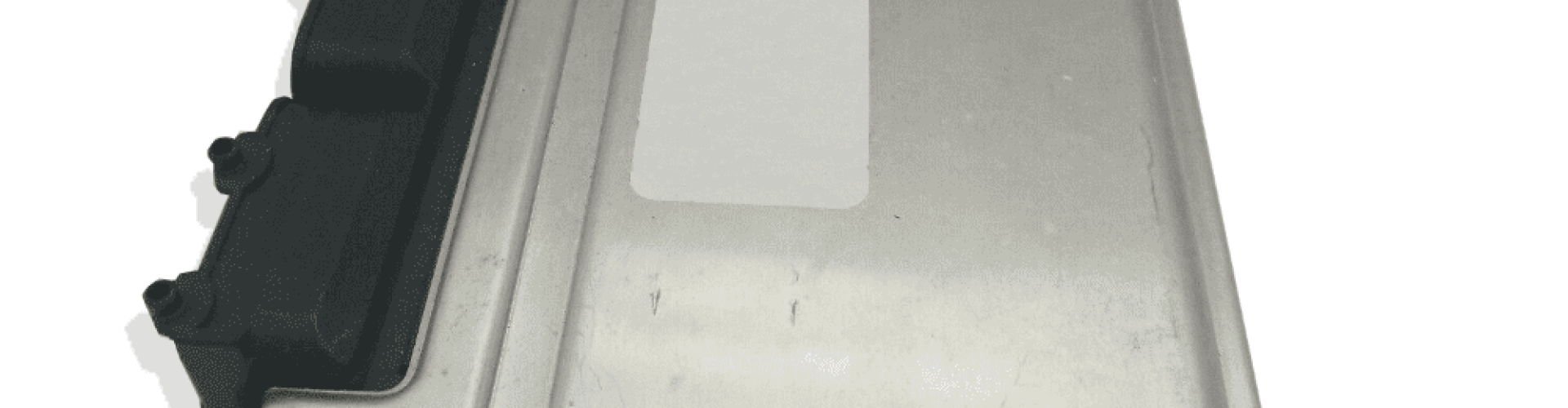
The Engine Control Unit (ECU) is the brain of your vehicle, managing critical functions such as fuel delivery, ignition timing, emissions, and engine performance. When the ECU begins to fail, it can cause a wide range of problems that are often misdiagnosed. Understanding ECU failure symptoms can help you identify issues early and avoid unnecessary repairs
What Does the ECU Do?
The ECU collects data from sensors throughout the vehicle and adjusts engine operation in real time. It controls:
- Fuel injection
- Ignition timing
- Idle speed
- Emissions systems
- Throttle response
Because so many systems rely on the ECU, even minor failures can create noticeable drivability problems.
Most Common ECU Failure Symptoms
1. Check Engine Light Stays On
A persistent check engine light with no clear mechanical cause is one of the most common signs of ECU trouble. In some cases, the light may turn on and off randomly or show multiple unrelated fault codes.
2. Engine Stalling or Sudden Shutdown
A failing ECU may lose communication with sensors or actuators, causing:
- Random stalling
- Engine shutdown while driving
- Difficulty restarting the vehicle
These symptoms can be intermittent, making diagnosis challenging.
3. Poor Engine Performance
Drivers often report:
- Hesitation during acceleration
- Rough idling
- Reduced power
- Misfires with no clear cause
These issues occur because the ECU can no longer accurately manage fuel and ignition timing.
4. Hard Starting or No-Start Condition
When the ECU fails to properly control fuel injectors or ignition coils, the engine may crank but not start, or require multiple attempts to turn over.
5. Transmission or Shifting Issues
In many vehicles, the ECU works closely with the transmission control system. Failure may cause:
- Harsh or delayed shifting
- Transmission stuck in limp mode
- Inconsistent gear changes
6. Unexplained Electrical Problems
ECU failure can lead to:
- Cooling fans running constantly
- Fuel pump operating incorrectly
- Random warning lights appearing on the dashboard
What Causes ECU Failure?
Common causes of ECU damage include:
- Heat exposure in the engine bay
- Vibration and solder joint failure
- Water or moisture intrusion
- Voltage spikes or battery issues
- Age-related component wear
These issues can gradually degrade ECU performance over time.
How to Diagnose ECU Problems
Scan for Error Codes
Using an OBD-II scanner can reveal:
- Communication errors
- Multiple unrelated fault codes
- Codes that return immediately after clearing
These can indicate internal ECU failure rather than sensor issues.
Rule Out Sensors and Wiring
Before condemning the ECU, technicians often check:
- Power and ground connections
- Sensor voltages
- Wiring continuity
If all external components test correctly, the ECU may be the root cause.
Look for Intermittent Issues
ECU failures often cause symptoms that come and go, especially when the vehicle warms up or experiences vibration.
ECU Repair vs Replacement
Many ECUs do not need full replacement. Professional ECU repair can:
- Restore internal circuitry
- Fix communication and performance faults
- Preserve original vehicle programming
- Avoid dealer reprogramming costs
Repairing your original ECU is often faster and more cost-effective than replacing it.
Professional ECU Repair & Programming Services
At Module Mechanics, we specialize in ECU and PCM repair and programming for a wide range of vehicles. Our services include:
- Internal ECU repair
- Fault code correction
- Plug-and-play programming
- Full bench testing before return
We help restore reliable engine performance without the high cost of replacement.
Contact Us
If you’re experiencing ECU failure symptoms or need help confirming a diagnosis, our experts are ready to assist. Send us your vehicle details and symptoms, and we’ll recommend the best repair solution.
Email: support@modulemechanics.com
Location: Littleton, CO — Free US Shipping Available
